

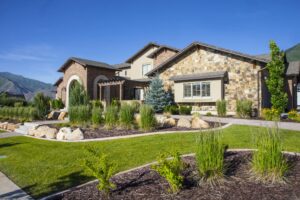
 Outdoor areas, especially the landscaping, are often the starting point for pest infestations. For rental property owners, the way a yard is designed and maintained plays an important role in influencing whether pests see a property as a comfortable haven or a hazardous environment. Rental pest prevention involves proactively reducing shelter, moisture, and food sources before pests ever reach the building. By keeping up with yard upkeep, owners can lower infestation risk, cut down on extermination expenses, and ensure both property value and tenant satisfaction are well taken care of.
Why Landscaping Is a Front-Line Defense Against Pests
Pest infestation often begins outdoors and gradually makes its way inside. To put it another way, many of the most common pests rely on outdoor spaces for their nesting, breeding, and access to buildings. Overgrown plants, damp soil, and disorganized outdoor spaces can truly create an ideal condition for insects and rodents to thrive.
It’s clear that one of the most effective ways to reduce pest infestation is by addressing the environments that allow them to thrive. For rental property owners, it’s wise to examine your property’s landscaping and think about implementing some significant enhancements. One fantastic aspect of viewing landscaping as an essential component of your overall pest-prevention strategy is that it helps you address pest problems more efficiently before they escalate into larger concerns.
Keep Plants and Shrubs Clear
One effective strategy to start keeping pests away from invading your rental property is to maintain a healthy gap between landscaping greenery and the home’s exterior. Consider the plants around your home, such as shrubs, trees, and vines that touch siding, roofs, or windows. These can serve as convenient pathways for pests, facilitating their entry into your space. Establishing a noticeable separation between greenery and structures can help remove easy access points and improve air circulation around your residence. By consistently trimming back, you can make your rental property a less appealing habitat for insects and rodents.
Choose Mulch Wisely (and Use It Sparingly)
Mulch is fantastic for flower beds, improving both moisture retention and elevating the aesthetic appeal. Just a quick note—overdoing it with mulch or choosing the wrong kind can occasionally attract pests. It’s fascinating to observe how dense layers of organic mulch can provide a snug habitat for insects and small animals.
To enhance your property’s yard and deter these pests, you might want to consider the following options:
- Use mulch wisely and make sure it stays away from foundations
- Thinking about gravel or stone alternatives around buildings
- Keeping landscaped beds free from constant moisture buildup
This way, you can maintain your property’s curb appeal while avoiding any pesky intruders.
Improve Drainage to Eliminate Moisture Problems
Another common issue that attracts pests is stagnant water. Pests like mosquitoes, termites, and other moisture-loving pests are attracted to puddles and pooling water, which can result in a swift rise in their population.
A fantastic approach to eliminate these pests is by implementing simple landscaping changes that promote proper drainage. For example, ensure that your landscaping has proper grading, unobstructed downspouts, and strategically positioned drainage solutions. Making these small adjustments can greatly reduce pest activity outdoors and prevent them from entering your space as well.
Rethink Lawns and Ground Cover
Lawns and ground cover can enhance any area, yet they may also attract some unwanted pests. This is especially true when they aren’t consistently maintained. Tall grass, leaf piles, and unmanaged ground cover create a plethora of snug hiding places for pests. Staying on top of maintenance like routine mowing and seasonal cleanup is crucial, as these actions help minimize potential nesting areas for common pests.
Suppose lawn maintenance is a concern. Why not consider selecting beautiful yet functional hardscaping elements instead? Using decorative stone or rock, gravel borders, stone walkways, and clear perimeters around foundations can significantly elevate the aesthetic of your area while reducing both maintenance and hiding spots for pests. Hardscaping can stand alone or be combined with plants for a stunning result. No matter how you approach it, consistent landscape maintenance is crucial for ensuring your property remains less appealing as a lasting habitat for unwanted pests.
Smart Management Leads to Fewer Pest Problems
Thoughtful landscaping transcends mere aesthetics. It’s also about protecting your property from unwanted pests. Emphasizing pest prevention, landscaping, and consistent yard maintenance can significantly reduce infestations, lower upkeep expenses, and keep your tenants comfortable.
If you’re eager to upgrade your rental property’s landscaping strategy, don’t hesitate to contact your local property management experts in Chesapeake office today. We’re dedicated to helping rental property owners like you protect your investments through smart landscaping options. Contact us online or call 757-206-2071.
This content is provided for general informational and educational purposes only and does not constitute financial, legal, tax, or investment advice. Readers should consult with licensed professionals regarding their specific circumstances.
We are pledged to the letter and spirit of U.S. policy for the achievement of equal housing opportunity throughout the Nation. See Equal Housing Opportunity Statement for more information.
